

Reported by: Ijeoma G | Edited by: Oravbiere Osayomore Promise.
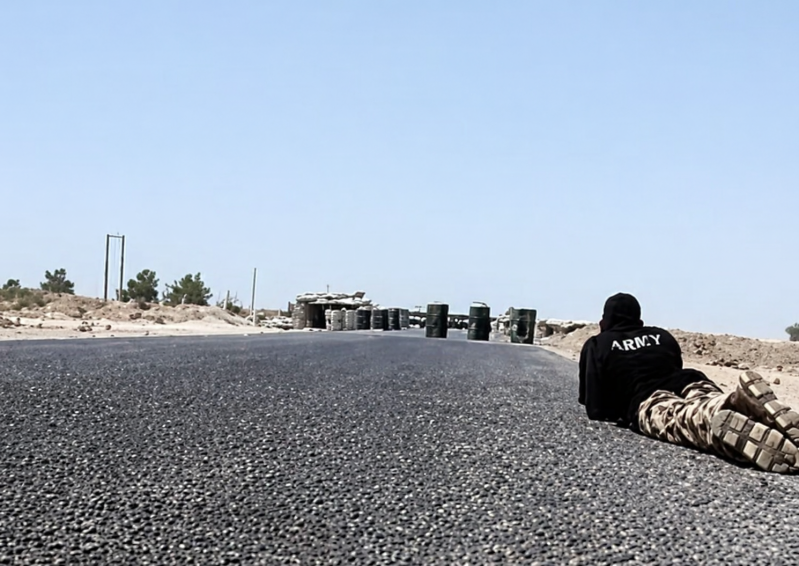
Troops of Nigeria’s counter insurgency force under Operation Hadin Kai have successfully detected and neutralised an improvised explosive device planted near the exit gate of Gajiram town in Borno State, preventing what could have been a deadly attack along a major route in the troubled northeast.
The incident occurred on April 21 during a routine clearance operation carried out by an Explosive Ordnance Disposal and Route Clearance team operating along the Maiduguri axis. According to security sources, the device was discovered during a standard scanning exercise conducted as part of ongoing efforts to secure key access roads used by both civilians and military convoys.
Upon identifying the suspicious object, troops immediately secured the area to prevent any accidental detonation or civilian exposure. The bomb disposal team then carried out a controlled detonation, successfully neutralising the device without casualties or damage to surrounding infrastructure. The swift and coordinated response ensured that movement along the route was not significantly disrupted.
Further sweeps were conducted in and around the area to ensure there were no additional explosive threats. Military sources confirmed that the search did not uncover any other devices, but surveillance and patrols have been intensified as a precautionary measure. The route remains under close monitoring given its strategic importance as a link between communities and operational bases in the region.
Gajiram, located in Nganzai Local Government Area of Borno State, lies within a region that has experienced persistent insurgent activity for over a decade. Armed groups, particularly Boko Haram and the Islamic State West Africa Province, have frequently targeted both military personnel and civilians using improvised explosive devices, ambushes, and coordinated assaults.
Improvised explosive devices have remained one of the most dangerous tools used by insurgents in the northeast. Often planted along roadsides or concealed in areas with high traffic, these devices are designed to target patrol vehicles, commercial transport, and unsuspecting pedestrians. Their use has contributed significantly to casualties and has complicated military and humanitarian operations across the region.
Operation Hadin Kai, the ongoing military campaign in northeastern Nigeria, was established to consolidate earlier efforts aimed at dismantling insurgent strongholds and restoring stability. The operation combines ground troops, air support, intelligence gathering, and community engagement in a coordinated effort to weaken armed groups and secure affected territories.
Military authorities say the successful neutralisation of the device in Gajiram demonstrates improved vigilance and operational efficiency among troops. The ability to detect and safely dispose of explosives before detonation is considered critical in reducing casualties and maintaining public confidence in ongoing security efforts.
The broader security situation in Borno remains complex. While there have been gains in reclaiming territories and restoring some level of normalcy to previously affected communities, insurgents continue to adapt their tactics. Increasingly, they rely on asymmetric warfare, including the use of hidden explosives and surprise attacks, rather than direct confrontations with security forces.
In recent months, there have been several incidents highlighting the continued threat posed by explosive devices. Some attacks have targeted military convoys, while others have affected civilian transport routes, leading to fatalities and injuries. These incidents underscore the persistent risks faced by both security personnel and residents in the region.
Security analysts note that insurgents have become more sophisticated in the design and placement of explosive devices. In some cases, IEDs are hidden in everyday objects or buried beneath frequently used roads, making detection more challenging. This has prompted the military to enhance its counter explosive capabilities through specialised training and improved equipment.
The Nigerian government has also explored broader strategies to address the threat, including collaboration with international partners and discussions around expanding demining efforts. These measures aim to complement military operations and reduce long term risks to communities attempting to rebuild after years of conflict.
For residents of Gajiram and surrounding areas, the presence of such threats continues to affect daily life. Many communities remain cautious about travel, farming, and trade due to fears of hidden explosives. The uncertainty has had economic and social impacts, particularly in rural areas where livelihoods depend heavily on mobility and access to markets.
The military has repeatedly urged civilians to remain vigilant and report any suspicious objects or activities to security agencies. Public awareness campaigns have also been introduced in some areas to educate residents on how to identify potential threats and respond safely.
In the aftermath of the Gajiram incident, normal activities resumed shortly after the controlled detonation, with no reported casualties. However, the event serves as a reminder of the ongoing challenges in securing the region and the importance of sustained vigilance.
Experts believe that while significant progress has been made in weakening insurgent groups, the persistence of attacks involving improvised explosive devices indicates that the conflict has entered a prolonged phase. Rather than large scale territorial control, armed groups now rely on sporadic and unpredictable attacks to maintain their presence and disrupt stability.
The successful operation in Gajiram highlights the importance of routine security measures such as route scanning and patrols. These efforts, though often unseen, play a crucial role in preventing attacks and protecting both civilians and military personnel.
As Operation Hadin Kai continues its campaign, the focus remains on sustaining pressure on insurgent networks while strengthening local security frameworks. The goal is not only to neutralise immediate threats but also to create conditions for long term peace and recovery in northeastern Nigeria.
For now, the timely intervention by troops has averted potential tragedy, reinforcing the role of proactive security operations in a region where the threat of hidden explosives remains a constant concern.
📩 Stone Reporters News | 🌍 stonereportersnews.com
✉️ info@stonereportersnews.com | 📘 Facebook: Stone Reporters News | 🐦 X (Twitter): @StoneReportNew | 📸 Instagram: @stonereportersnews
Add comment
Comments