

Reported by: Oahimire Omone Precious | Edited by: Oravbiere Osayomore Promise.
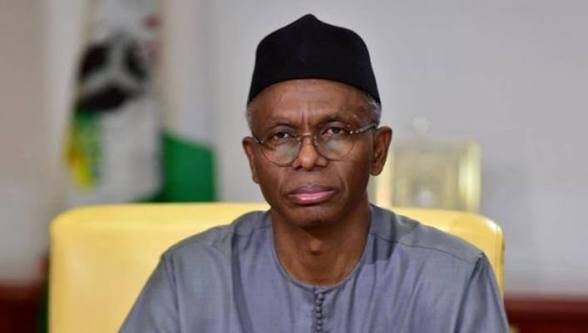
A fresh wave of political and legal tension has erupted in Nigeria following claims by former Kaduna State Governor Nasir El-Rufai that there is a coordinated attempt to implicate him in a criminal incident and engineer his re-arrest, deepening an already complex corruption case against him.
The controversy stems from a media report published on April 18, 2026, which alleged that armed men invaded the residence of Mohammed Umar Karage, a principal prosecution witness in an ongoing trial involving El-Rufai at the Kaduna State High Court. According to the report, the witness told authorities that the attack may be connected to his role in the case, raising concerns about possible witness intimidation.
The report quickly triggered a strong response from El-Rufai, who, through his media adviser Muyiwa Adekeye, dismissed the claims as false and malicious. He argued that the publication was deliberately framed to portray him as the mastermind of the alleged invasion and to create grounds for his arrest.
In a detailed statement, the former governor described the development as a targeted framing effort aimed at criminalising him and undermining his legal position. He maintained that he had no connection whatsoever to the alleged incident and accused unnamed actors of orchestrating a broader campaign to tarnish his reputation and jeopardise his ongoing legal proceedings.
The timing of the allegation is particularly significant. El-Rufai had only recently been granted bail by a Federal High Court in Kaduna after being detained for weeks over corruption charges brought by the Independent Corrupt Practices and Other Related Offences Commission. The court approved his release on bail set at ₦200 million with strict conditions, marking a temporary reprieve in a case that has drawn national attention.
His legal troubles, however, did not begin with the current trial. Earlier in February 2026, he was reportedly invited by the Economic and Financial Crimes Commission following an attempted arrest at Abuja airport. He was subsequently detained and later transferred to the custody of the anti-corruption commission, where he was arraigned on multiple charges linked to alleged abuse of office and financial misconduct during his tenure as governor.
The corruption case itself involves several counts, including allegations related to the unlawful revocation and reallocation of land, a matter that prosecutors argue reflects abuse of executive authority. El-Rufai has consistently denied all charges, maintaining that his actions were lawful and carried out in the public interest.
It is within this context that the alleged witness attack has taken on heightened importance. In criminal proceedings, any suggestion of interference with a witness is treated with utmost seriousness, as it threatens the integrity of the judicial process. The report that linked the invasion to the witness’s role in the case also drew a controversial parallel to the disappearance of Kaduna-based activist Abubakar Idris, known as Dadiyata, suggesting a possible pattern of intimidation, an implication El-Rufai’s camp strongly rejects.
El-Rufai’s response went beyond a simple denial. He argued that the report contained innuendos suggestive of a plot to implicate him in serious offences, including capital crimes, thereby justifying what he described as an attempt to secure his indefinite detention. He warned that such tactics represent a dangerous misuse of the legal system.
He also revealed that his legal team has been instructed to initiate defamation proceedings against those responsible for publishing and circulating the report, signaling that the battle may extend beyond criminal courts into civil litigation.
The former governor further framed the incident as part of a broader pattern of targeting him since 2023, alleging a sustained campaign of vilification. He claimed that earlier attempts to arrest him, including the February airport incident, were indicators of a larger strategy to subject him to continuous legal pressure.
While El-Rufai’s allegations have attracted significant public attention, authorities have not issued a detailed official statement confirming or denying plans to re-arrest him in connection with the witness incident. Similarly, there has been no formal charge publicly announced linking him directly to the alleged invasion.
Legal analysts say this lack of clarity underscores the need for caution. They note that while allegations of witness intimidation must be thoroughly investigated, any action taken must be based on credible evidence and follow due process. The mere existence of a media report does not constitute proof of wrongdoing.
The situation also highlights the delicate balance between law enforcement and political neutrality. High-profile cases involving former public officials often generate competing narratives, with defendants alleging persecution and authorities insisting on accountability. The El-Rufai case appears to fit squarely within this pattern, raising broader questions about the intersection of politics and justice in Nigeria.
Civil society observers have called for transparency and restraint, urging security agencies to clarify the facts surrounding the alleged invasion and ensure that any investigation is conducted impartially. They stress that protecting witnesses is critical to the credibility of the justice system, but so too is safeguarding the rights of the accused.
For the prosecution, the alleged attack on the witness could become a critical issue if substantiated, potentially strengthening arguments about the need for stricter conditions or additional charges. For the defence, however, it represents what they describe as an attempt to prejudice the case and influence public perception.
As the legal battle unfolds, attention will be focused on whether investigators establish any verifiable link between El-Rufai and the alleged incident, and whether new legal steps, including a possible arrest, will follow.
For now, the episode has added another layer of complexity to an already high-profile corruption trial, intensifying scrutiny on both the former governor and the institutions handling the case. It underscores the high stakes involved, not only for the individuals directly concerned but also for the broader perception of justice and accountability in Nigeria.
The coming days are expected to be decisive, as authorities clarify their position and the courts continue to navigate a case that sits at the intersection of law, politics, and public trust.
📩 Stone Reporters News | 🌍 stonereportersnews.com
✉️ info@stonereportersnews.com | 📘 Facebook: Stone Reporters News | 🐦 X (Twitter): @StoneReportNew | 📸 Instagram: @stonereportersnews
Add comment
Comments