

Reported by: Ijeoma G | Edited by: Gabriel Osa
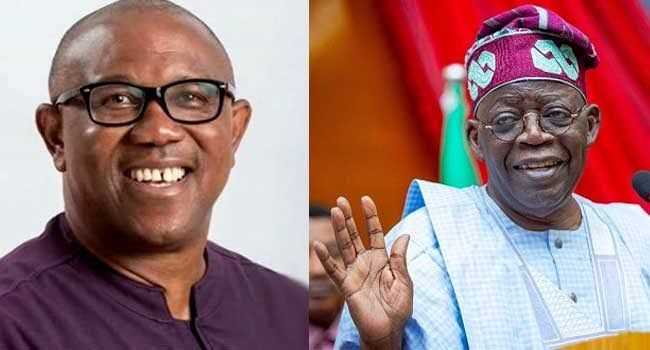
Former presidential candidate of the Labour Party, Peter Obi, has called on President Bola Ahmed Tinubu to resign from office, arguing that political leaders must accept responsibility when they are unable to meet the expectations of citizens. Obi made the call while commenting on issues surrounding governance, leadership performance and accountability.
In a statement issued on Monday, June 22, 2026, in Nigeria, Peter Obi criticised the current administration of President Bola Ahmed Tinubu, saying the resignation of British Prime Minister Keir Starmer demonstrated how leaders in some democracies accept responsibility when faced with public concerns over their performance. He used the development as an example of what he described as accountability in public office.
Obi, who contested the 2023 Nigerian presidential election under the Labour Party platform, said leadership should be measured by the ability to improve the lives of citizens and address national challenges. He argued that when governments fail to meet those expectations, leaders should consider stepping aside.
The former Anambra State governor said Nigerians have continued to face several difficulties, including economic pressures, insecurity concerns and challenges affecting public services. He maintained that political office holders must always prioritise the welfare of citizens above personal or political interests.
According to Obi, democratic leadership requires honesty and the willingness of public officials to accept responsibility for their decisions and actions while in office. He said leaders should not remain in power when they lose the confidence of the people they govern.
The comments came after reports surrounding political developments in the United Kingdom, where Prime Minister Keir Starmer faced pressure over his leadership before announcing his resignation. The situation generated discussions about political accountability and how leaders respond to public dissatisfaction.
Obi compared the situation with Nigeria’s political environment, stating that elected officials must be accountable to citizens and responsive to national concerns. He said governance should focus on delivering measurable improvements rather than maintaining political positions.
The Labour Party leader has repeatedly criticised aspects of Nigeria’s governance, particularly issues relating to economic management, public spending and security. He has often called for stronger institutions and policies aimed at improving citizens’ living conditions.
During his presidential campaign in 2023, Obi promoted a message centred on improving production, reducing waste in government and strengthening the economy. Since then, he has continued to comment on national issues and advocate for reforms.
The call for resignation has also renewed discussions about the role of opposition figures in holding governments accountable. Political analysts have often noted that opposition voices play a role in challenging policies and presenting alternative ideas in democratic systems.
However, supporters of the Tinubu administration have consistently defended the government’s policies, arguing that reforms introduced by the president are aimed at addressing long-standing economic problems. They have urged Nigerians to allow the administration time to implement its programmes.
President Tinubu assumed office in May 2023 after winning the presidential election conducted by the Independent National Electoral Commission. His administration has introduced several economic measures, including major policy changes that have generated both support and criticism.
Obi’s latest comments have added to ongoing national debates about leadership, governance and the responsibility of elected officials. His supporters argue that public officials should be judged by their ability to deliver results and respond to citizens’ concerns.
The discussion over political accountability is not limited to Nigeria, as countries around the world continue to debate how leaders should respond when public confidence declines. In many democracies, resignation or leadership changes can occur when governments face significant political challenges.
The former presidential candidate urged Nigerians to continue demanding transparency and effective governance from those in authority. He said citizens must remain engaged in democratic processes and ensure leaders are held to high standards.
The Tinubu administration has not officially responded to Obi’s latest call for resignation. Government officials have previously maintained that the administration remains focused on implementing policies designed to address national challenges.
The development is expected to continue generating reactions from political parties, civil society groups and Nigerians as discussions around leadership responsibility and governance continue.
As Nigeria moves closer to future electoral cycles, issues of performance, accountability and public trust are likely to remain central themes in national political debates.
📩 Stone Reporters News | 🌍 stonereportersnews.com
✉️ info@stonereportersnews.com | 📘 Facebook: Stone Reporters News | 🐦 X (Twitter): @StoneReportNew | 📸 Instagram: @stonereportersnews
Add comment
Comments